Book Appointment


What Is a Dental Filling?

A dental filling is a restorative treatment used to repair teeth affected by tooth decay, cavities, or minor damage. During the procedure, the decayed portion of the tooth is carefully removed, and the cleaned area is filled with a durable dental material to restore the tooth's natural shape, strength, and function.

Modern dental fillings help preserve as much of your natural tooth structure as possible while providing a strong, comfortable, and natural-looking restoration. Tooth-colored composite fillings are designed to blend seamlessly with your existing teeth for an attractive smile.

Dental Filling
Dental Filling Treatment

Why Are Dental Fillings Needed?

Dental fillings are recommended when a tooth has been weakened by decay, cavities, or minor fractures. Restoring the damaged area helps prevent the problem from becoming larger and protects the tooth from further damage.

Fillings help repair cavities, restore damaged tooth surfaces, prevent bacteria from entering deeper parts of the tooth, improve chewing comfort, and maintain the natural appearance of your smile.

With advanced tooth-colored materials, dental fillings provide a strong and aesthetic solution that helps you maintain healthy, functional teeth for years.

Benefits of Dental Fillings

Dental fillings help restore damaged teeth, prevent further decay, and maintain your natural smile by repairing cavities and minor tooth damage with safe and durable materials.

Our Dental Filling Procedure

01

Examination & Diagnosis

Your dentist begins with a detailed examination of your teeth and may use digital X-rays to identify cavities, decay, or hidden dental issues that require treatment.

02

Removal of Tooth Decay

The decayed portion of the tooth is carefully removed using advanced techniques while preserving as much healthy natural tooth structure as possible.

03

Filling Placement

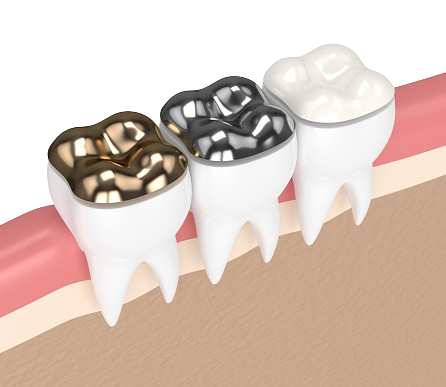
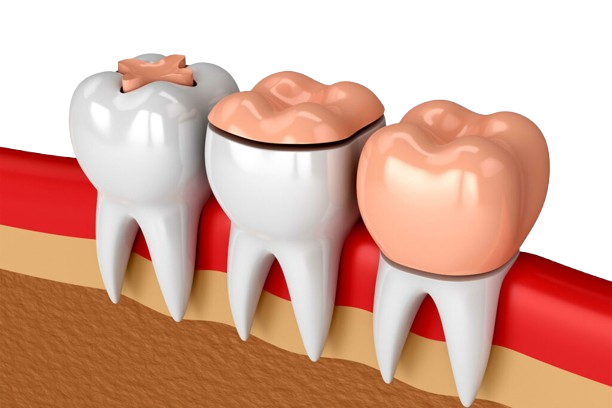
The cleaned tooth area is restored with a suitable filling material, such as tooth-colored composite resin or dental cement, based on your specific dental needs.

04

Finishing & Bite Adjustment

The filling is carefully shaped, polished, and adjusted to ensure a comfortable bite, smooth texture, and a natural-looking finish.

Caring for Your Dental Filling

Brush Twice Daily

Brush your teeth twice a day with fluoride toothpaste to maintain your filling and keep your natural teeth healthy.

Floss Every Day

Daily flossing helps remove plaque between teeth and prevents decay around your restored tooth.

Limit Sugary Foods & Drinks

Reducing sugar intake helps prevent new cavities and protects your filling for long-lasting results.

Avoid Hard Objects

Avoid chewing ice, pens, or hard objects that may damage or loosen your dental filling.

Regular Dental Checkups

Visit your dentist regularly for examinations and professional cleanings to monitor your filling and overall oral health.

Protect Your Restored Tooth

Contact your dentist if your filling feels loose, damaged, or if you notice any discomfort.

Maintain Long-Lasting Results

Good oral hygiene and regular dental visits help maintain your filling and protect your natural tooth for many years.

Frequently Asked Questions

Are dental fillings painful?
No. Dental fillings are generally comfortable and are performed under local anesthesia to ensure a painless treatment experience for most patients.
Which filling material is better?
Composite resin and dental cements both have their own benefits. Your dentist will recommend the most suitable material based on the size, location, and condition of your cavity.
How long do dental fillings last?
The lifespan of a filling depends on the material used, the size of the restoration, your oral hygiene, and daily habits. Regular dental checkups help maintain fillings in good condition.
Can a filling prevent future cavities?
A filling restores a damaged tooth, but maintaining good brushing habits, flossing regularly, limiting sugar intake, and visiting your dentist are essential to prevent future cavities.